
If you have ever stared at a text message wondering if the sender is angry, busy, or just using a code you do not understand, you are not alone. The internet moves fast, and language moves even faster. Typing out full sentences feels like a chore when you are in the middle of a game or a fast-paced group chat. That is why acronyms like ASL, HMU, and WDYM have taken over our screens.
This dictionary is your ultimate cheat sheet. Whether you are trying to decipher a confusing DM on TikTok or just want to avoid looking outdated in the group chat, we have broken down the most essential slang terms you need to know right now. Think of this as your survival guide to modern digital communication.
The Shapeshifters: Terms with Multiple Meanings
Some slang terms are tricky because they change meaning depending on where you see them. These require a bit of detective work.
ASL (As Hell / Age, Sex, Location)
You might be scrolling through TikTok comments or chatting on Snapchat, and someone types You are funny asl. You pause. Are they asking for your age? Talking about sign language? Probably neither. In the current digital landscape, ASL is a shapeshifter. While it traditionally stood for Age, Sex, Location in the early internet days, Gen Z has repurposed it to mean As Hell (meaning very or extremely).
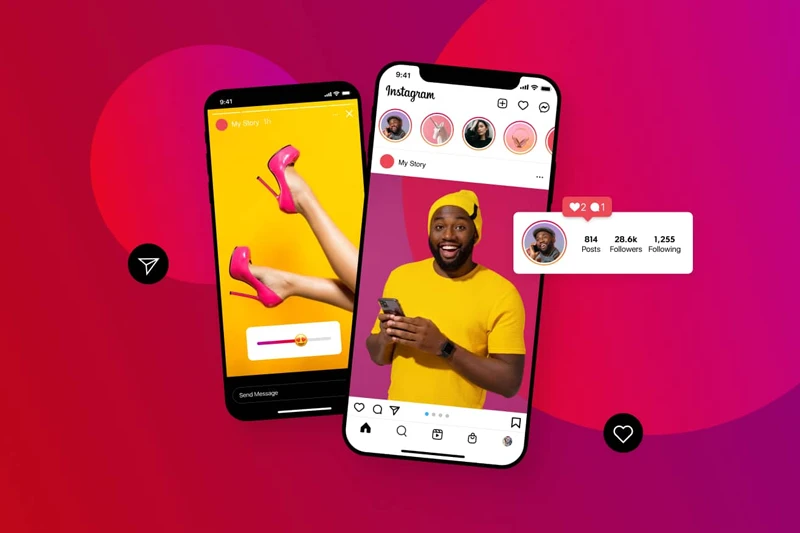
Understanding these nuances is crucial to avoid awkward misunderstandings in your digital conversations. Just like knowing the logic behind the Instagram story viewer order helps you decode who is interested in your profile, understanding the context of ASL helps you decode the sender's true intent.
The Modern Slang: As Hell (TikTok & Gen Z Usage)
If you see asl written in lowercase within a sentence on platforms like TikTok, Twitter (X), or Instagram, it almost certainly means as hell. This is the most dominant usage in [year] internet culture.

Users utilize this abbreviation to emphasize an adjective. It acts as an intensifier, similar to saying very or extremely, but with a more casual, slang tone.
- Funny asl means Very funny
- Fine asl means Very attractive
- Tired asl means Extremely tired
- Mad asl means Very angry
Context Clue: If the word follows an adjective (like funny, mad, bad, good) and does not end with a question mark, it is the slang version.
The Classic Chatroom Lingo: Age, Sex, Location
Before social media profiles made our information public, the internet was a place of anonymity. In the 1990s and early 2000s, users in chatrooms (like mIRC, AOL, or MSN) would start conversations with ASL?. This was a quick way to establish a baseline identity.
- Age: How old are you?
- Sex: Are you male or female?
- Location: Where do you live?
Today, this usage is considered vintage or outdated on mainstream platforms. However, it is still actively used on anonymous chatting platforms and specific dating apps where profiles are minimal.
Safety Warning: If a stranger sends you ASL? out of the blue, proceed with caution. Sharing your exact location and personal details with anonymous users carries significant privacy risks.
The Literal Definition: American Sign Language
In formal, educational, or accessibility-focused contexts, ASL is the standard acronym for American Sign Language. This is the primary language used by the Deaf and hard-of-hearing community in the United States and English-speaking parts of Canada.
You will typically distinguish this meaning by the serious tone of the conversation. If the topic is about interpreting, deaf culture, accessibility, or learning languages, the acronym refers to the language itself, not the slang.
Invitation & Planning Slang
When you are trying to make plans, nobody wants to type a paragraph. These terms are all about speed and efficiency, but context is everything. Using them wrong can turn a friendly invite into an awkward misunderstanding.
HMU (Hit Me Up)
HMU is the universal shorthand for Hit Me Up. It is a casual, cool way to tell someone to contact you. You will see this everywhere, from Instagram captions to quick texts between friends.

It effectively means call me, text me, or invite me. The vibe is low-pressure and open-ended. You might post a story saying HMU if you are in town, which puts the ball in their court without being demanding.
When to use it:
- You want to hang out but do not have a specific plan.
- You are selling something online and want potential buyers to message you.
- You are flirting and want to move the conversation to DMs.
When to skip it:
- Emailing your boss or a client. It is far too casual for professional settings.
TFTI (Thanks For The Invite / Thanks For The Information)
This one is tricky because it has a split personality. TFTI officially stands for Thanks For The Invite or Thanks For The Information, but how it is received depends entirely on the situation.
The Sarcasm Trap Be very careful here. In the world of social media, TFTI is frequently used sarcastically. If you see photos of your friends at a party you were not invited to, commenting TFTI is a passive-aggressive way of saying thanks for leaving me out. It signals you are hurt or annoyed.
The Sincere Usage On the flip side, if someone actually sends you a helpful link or invites you to a game lobby, replying with TFTI is a perfectly polite, quick way to show gratitude. Context clues are your best friend here.
Time & Availability
In the fast-paced world of gaming and group chats, telling people when you are free needs to be instant. These acronyms help you coordinate schedules without wasting a second.
ATM (At The Moment)
ATM stands for At The Moment. Do not confuse this with the machine where you get cash. In text slang, it is purely about your current status.
It is used to describe what is happening right now, often to explain why you are busy or what you are currently doing.
Example Usage:
- I can't talk ATM, in a meeting.
- Currently grinding ranked ATM, join me?
RN (Right Now)
RN means Right Now. While similar to ATM, it is often used to add urgency or emphasis to a statement.
- I need that file RN. (Urgent)
- I'm so hungry RN. (Emphatic state of being)
ASAP (As Soon As Possible)
A classic that made the jump from corporate emails to text messages. ASAP means As Soon As Possible. It is the universal signal for hurry up or I will get to it quickly.
Clarification & Confusion
Texting lacks tone of voice, which leads to confusion. These acronyms help bridge the gap when things get unclear or when you need to pause the conversation to understand what is happening.
WDYM (What Do You Mean?)
WDYM stands for What Do You Mean. It is the fastest way to ask for clarification. Since typing out the full question can feel formal or even confrontational in a quick chat, WDYM softens the blow slightly while keeping the pace up.
You use this when a message is ambiguous, a joke does not land, or you suspect someone is being sarcastic. It is a staple in fast messaging apps like Discord or Snapchat where speed is key.
Pro Tip Without emojis, WDYM can sometimes read as sharp or defensive. If you are genuinely confused and not annoyed, consider adding a question mark or a confused emoji to keep the tone light.
Politeness & Responses
Even in slang, manners matter. You need quick ways to agree, disagree, or bow out of a conversation without being rude. These terms replace standard yes/no answers with a bit more digital flair.
OFC (Of Course)
OFC is the abbreviation for Of Course. It serves as an emphatic yes. It conveys more enthusiasm than a simple okay or yeah.
If a friend asks if you are coming to their birthday dinner, replying with OFC shows you are not just coming, but you are happy to do so. It is a great way to validate someone’s statement or agree with a plan instantly.
Warning Using OFC when someone asks a serious question can sometimes feel dismissive, as if the answer should have been obvious. Use it when you want to be supportive and agreeable.
NTY (No, Thank You)
NTY stands for No, Thank You. It is the polite way to decline an offer without needing to explain yourself. You will see this often in gaming when someone offers a trade you do not want, or in group chats when declining an invite.
It strikes a balance between brevity and politeness. A simple no can seem harsh, but NTY softens the rejection by adding the thanks part.
Example Scenario:
- Friend: Want to play another round?
- You: NTY, gotta sleep.
It is direct, respectful, and saves you from typing a long excuse.
How to Use Slang Like a Pro
Knowing the definitions is step one. Using them naturally is step two. If you force these terms into sentences where they do not belong, it becomes obvious you are trying too hard.
Read the Room: If everyone in the chat is using full sentences and proper grammar, throwing in an HMU might feel out of place. Match the energy of the conversation.
Don't Overdo It: Using too many acronyms in one sentence turns your message into a puzzle. TBH IDK WDYM but HMU LATER is a headache to read. Use these terms as spices, not the main course.
Know Your Audience: Keep these for friends, gaming buddies, and social media. Your professor or supervisor likely prefers clear, standard English. When in doubt, type it out.
Comments (0)
Sign in to comment
Report